Small Problems, Printed Solutions
I’ve had a 3D printer for a while now—a Bambu Labs P1S—and I’ve printed my fair share of keyboard cases, brackets, and random doodads. But somewhere along the way, I realized that the most satisfying prints aren’t the ambitious projects. They’re the small things. The little friction points in daily life that you can just… fix.
3D printing isn’t about printing dragons or benchies. It’s about looking at your environment and saying “I can fix that.”
The Crayon Holders
It started with crayons. My daughter has this little IKEA table where she draws, and the crayons were everywhere. On the floor, under the cushions, somehow in the kitchen. Every day I’d pick them up, and every day they’d scatter again.
So I designed three simple cylindrical cups—varying heights, nothing fancy—and printed them out. Fusion 360 to Bambu Labs P1S, maybe 30 minutes of design work and an hour of printing. Total material cost: about $0.50.
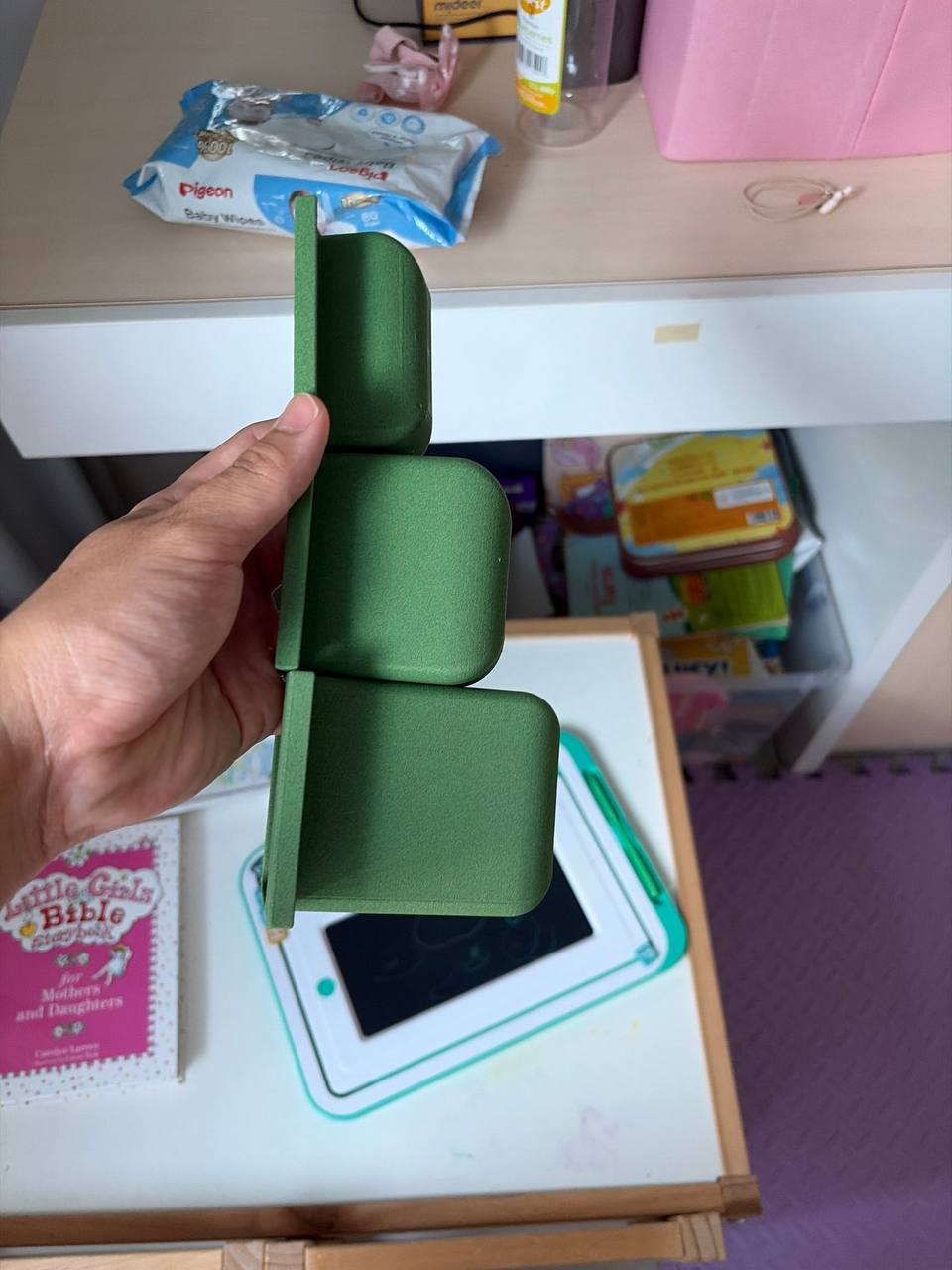
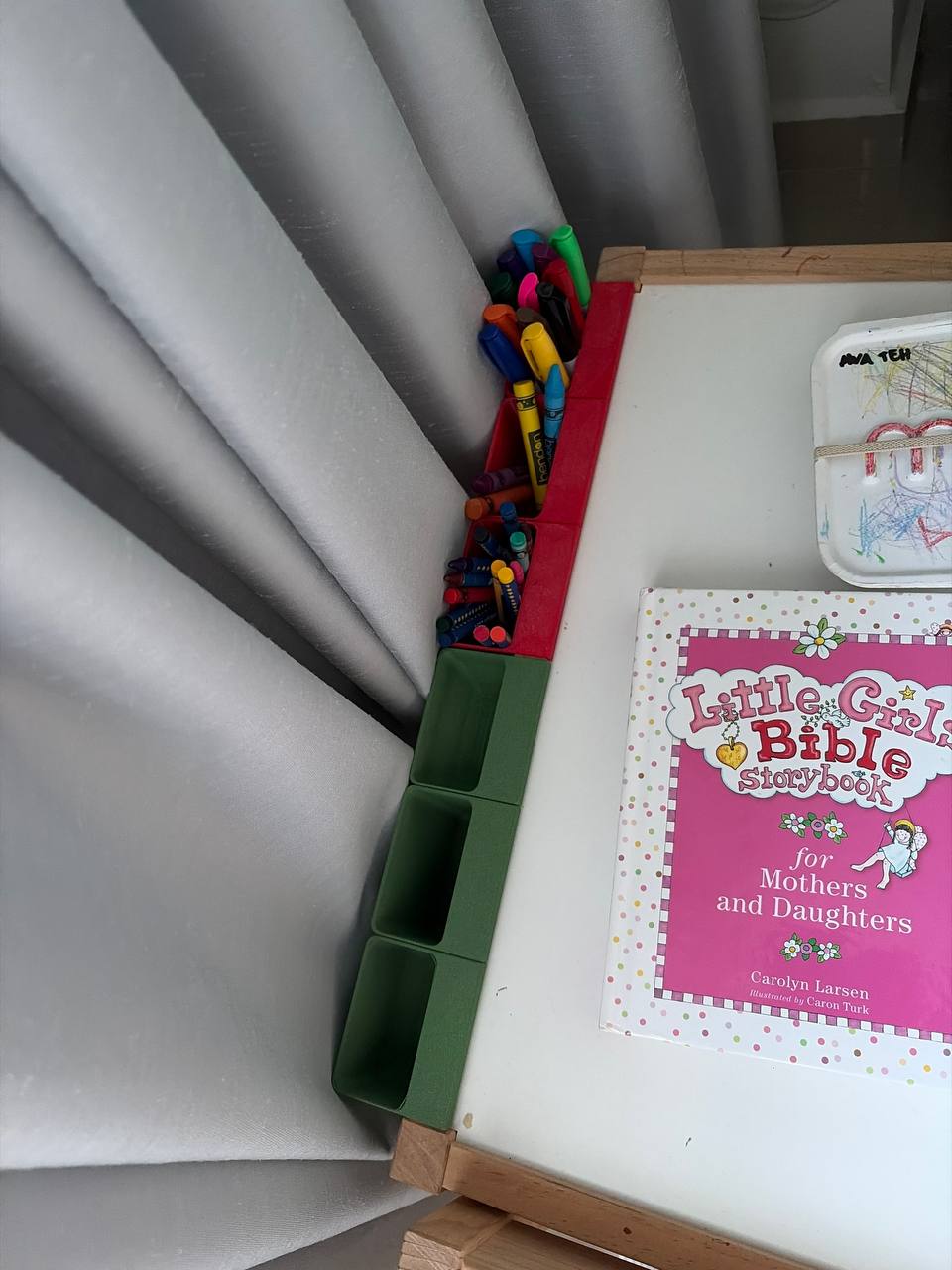
They worked. The crayons stayed in one place. It wasn’t a groundbreaking design, but it solved the problem completely. And I think that’s the thing about 3D printing that’s easy to miss: you don’t need to build something impressive. You just need to build something that works.
The SwitchBot Mount
Next was the SwitchBot. We have one of those toilet exhaust vent/heaters, and I wanted to automate it with a SwitchBot. The problem was that the SwitchBot kept falling off. The 3M tape just couldn’t hold it—the surface was too textured, and the weight was too much for adhesive alone.
So I designed a custom bracket. Nothing complicated—just a piece that wraps around the SwitchBot and clips onto the vent cover. It holds securely, doesn’t interfere with the buttons, and you barely notice it’s there.
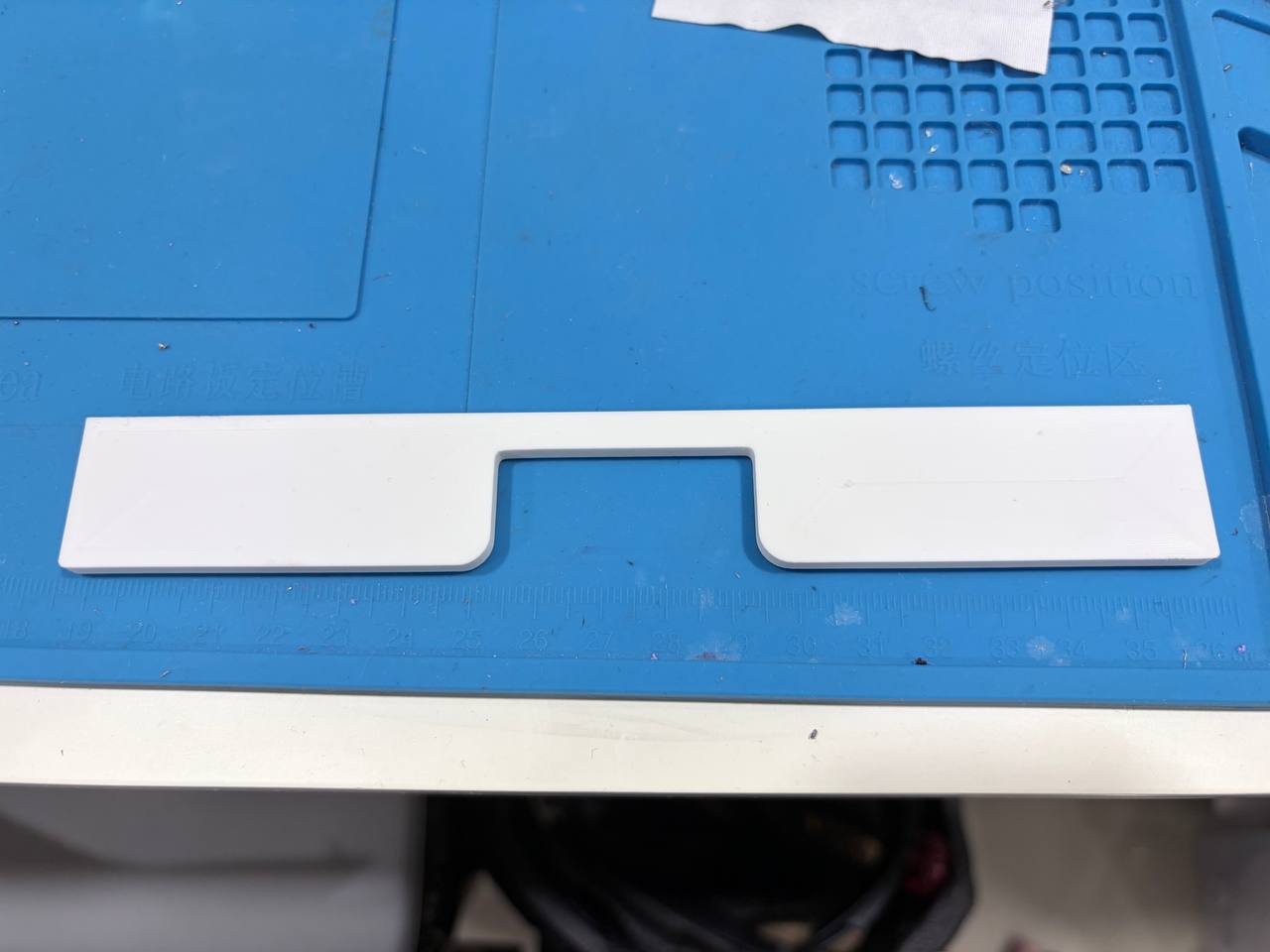
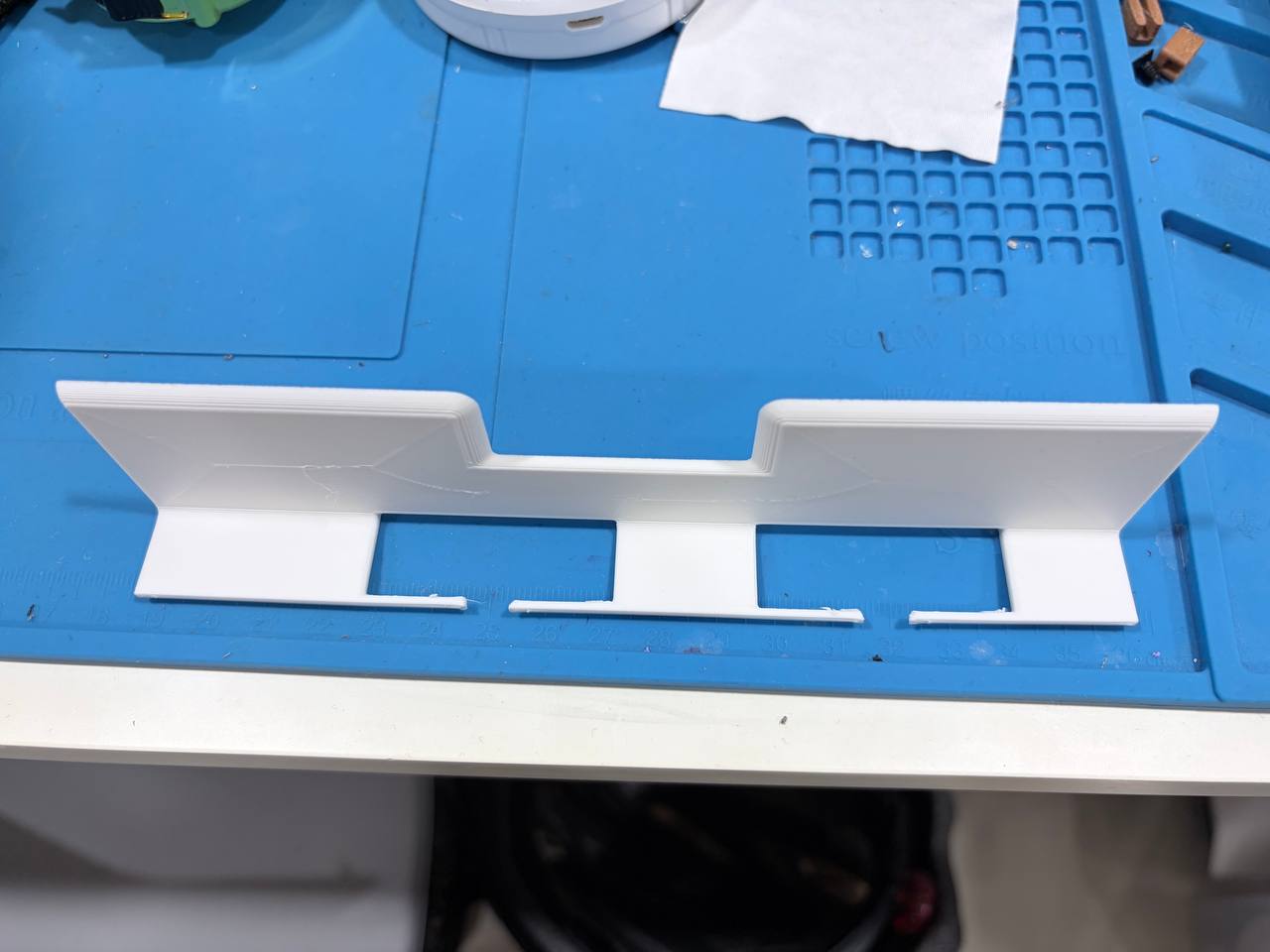
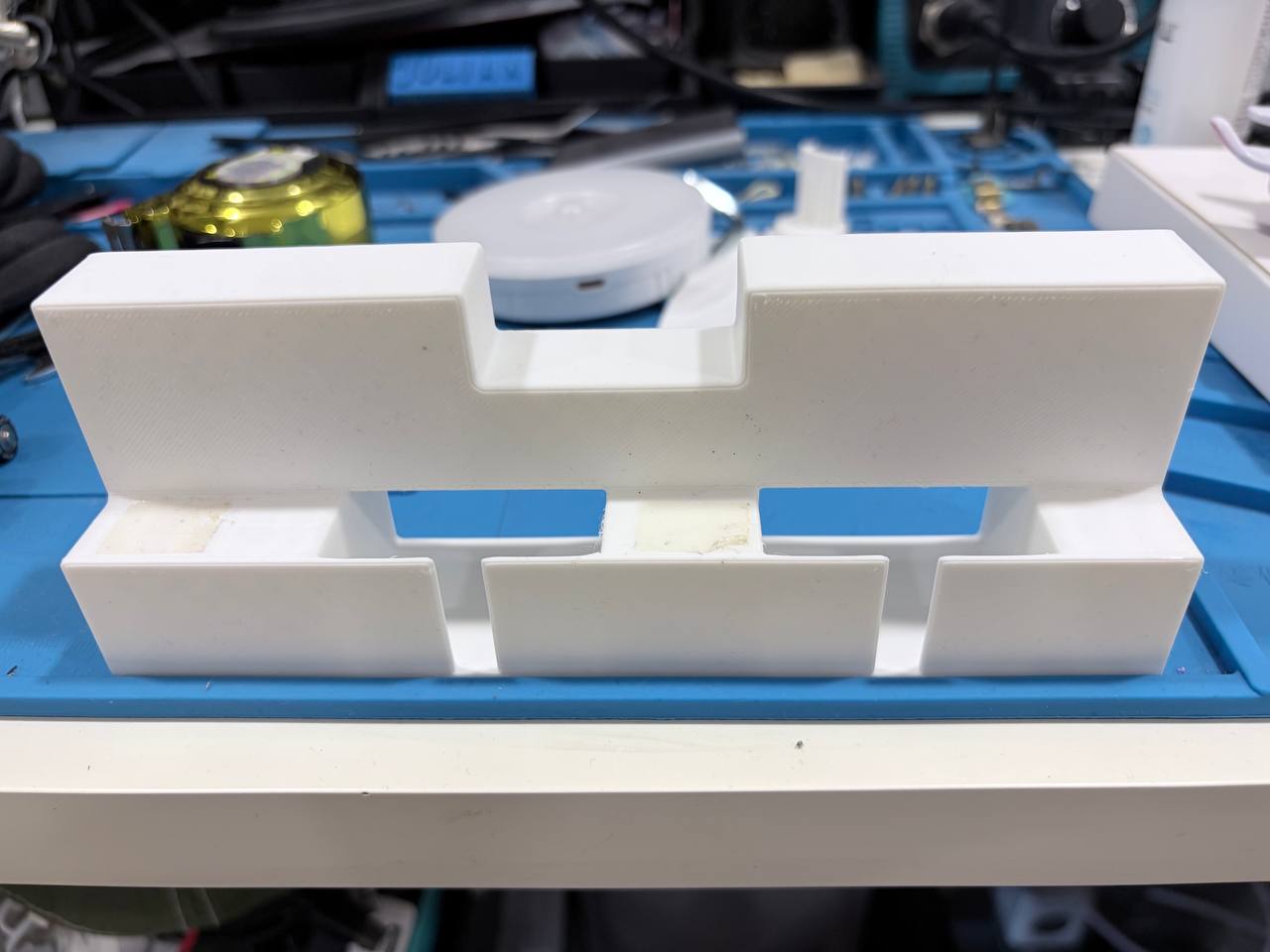
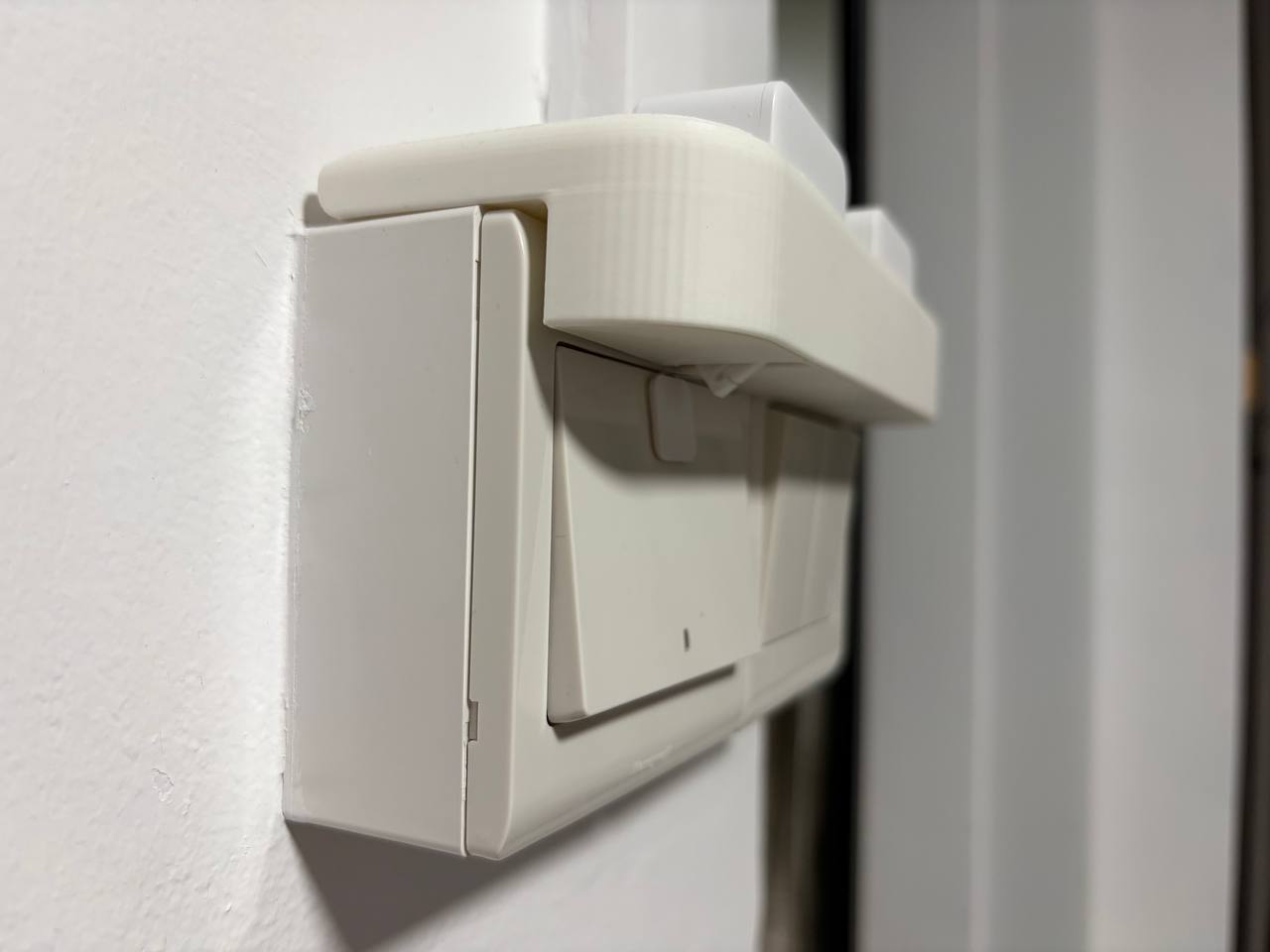
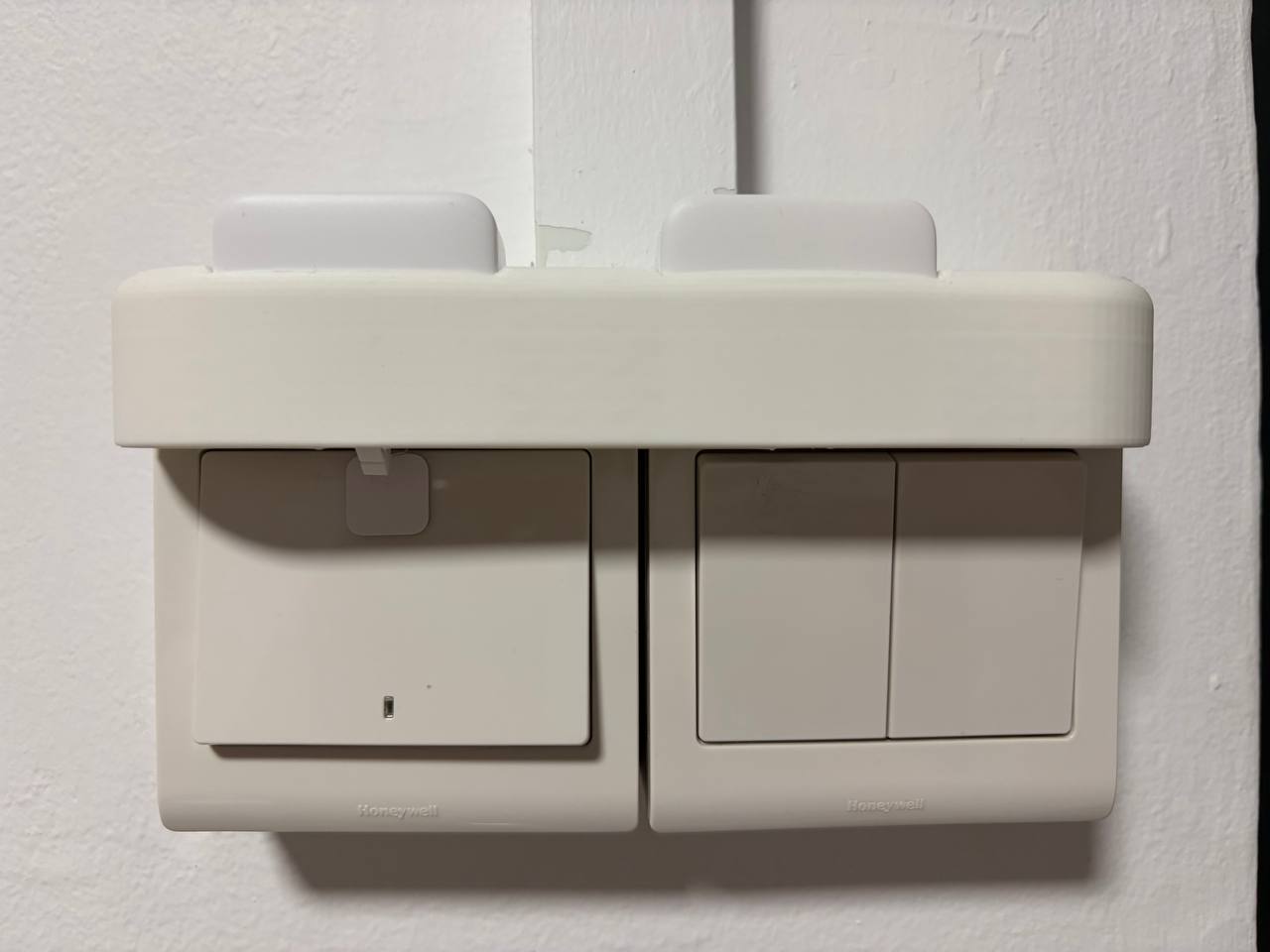
The key insight here was that sometimes the problem isn’t the product, it’s the interface between the product and the environment. The SwitchBot is fine. The vent is fine. But they don’t naturally fit together, and that gap is where the friction lives. 3D printing fills that gap.
The Sink Guard
The sink guard came next. We have this countertop sink where water tends to pool around the soap bottles, and it was starting to leave marks. I needed something that would let water drain while keeping the bottles in place.
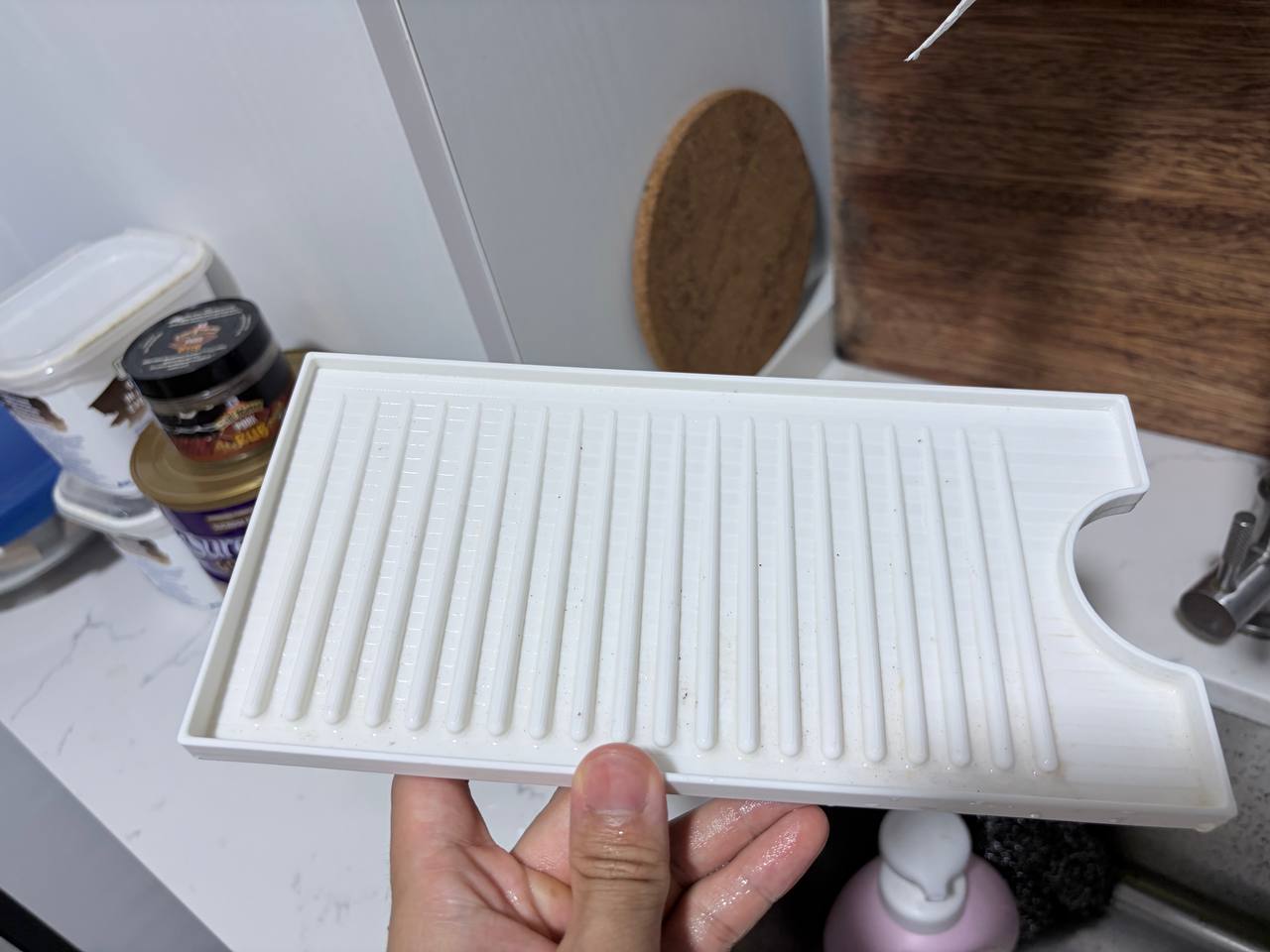
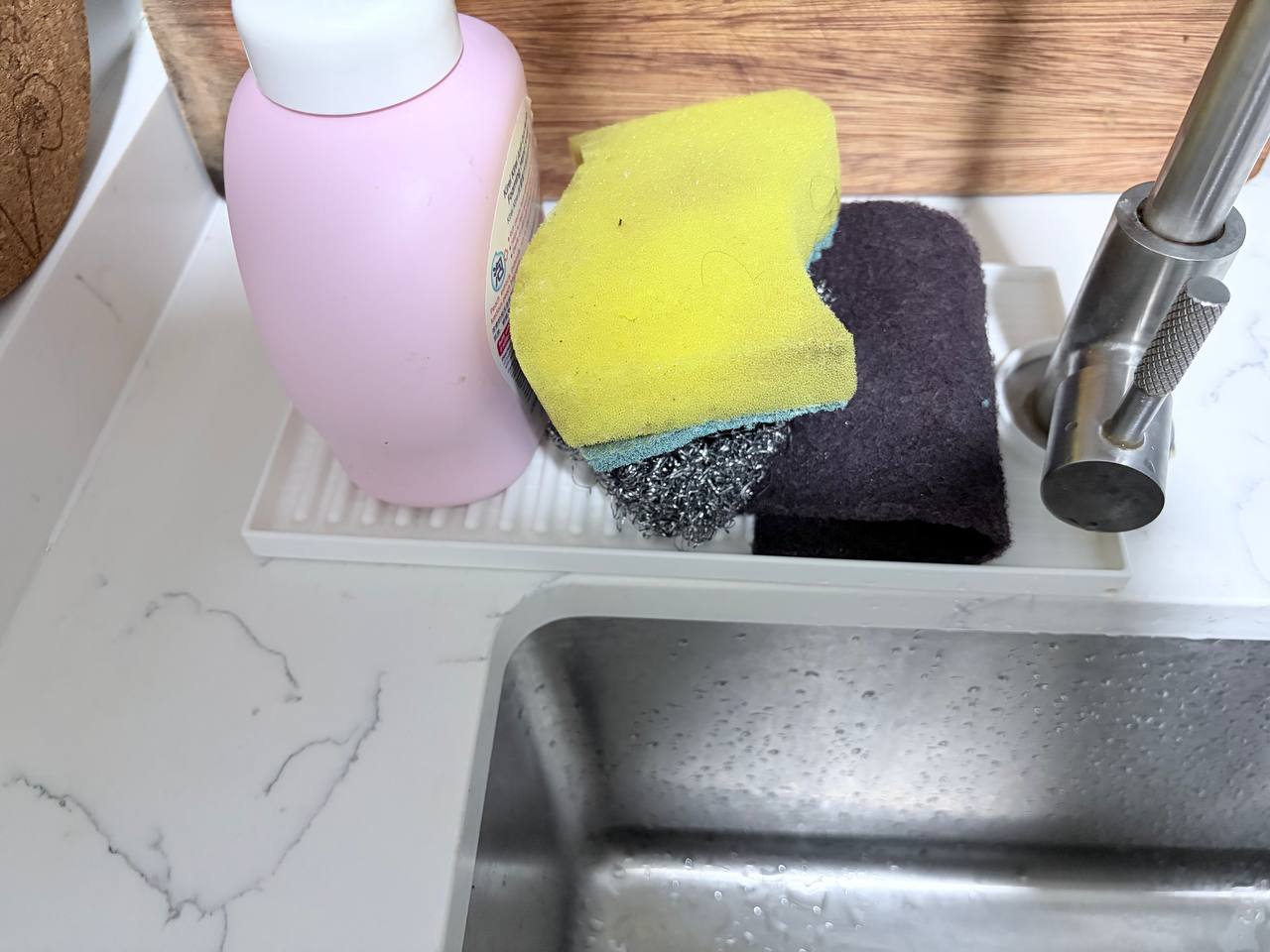
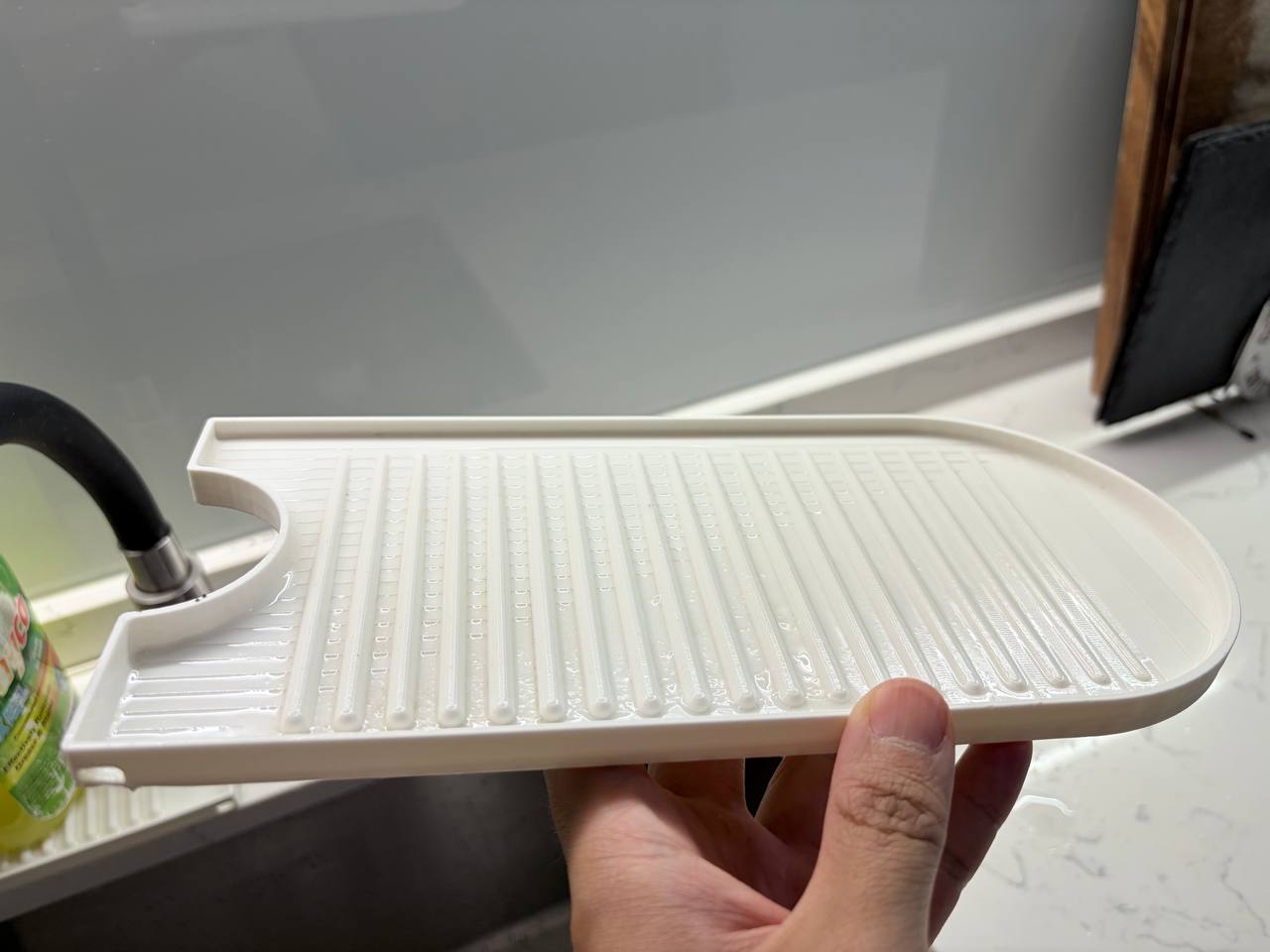
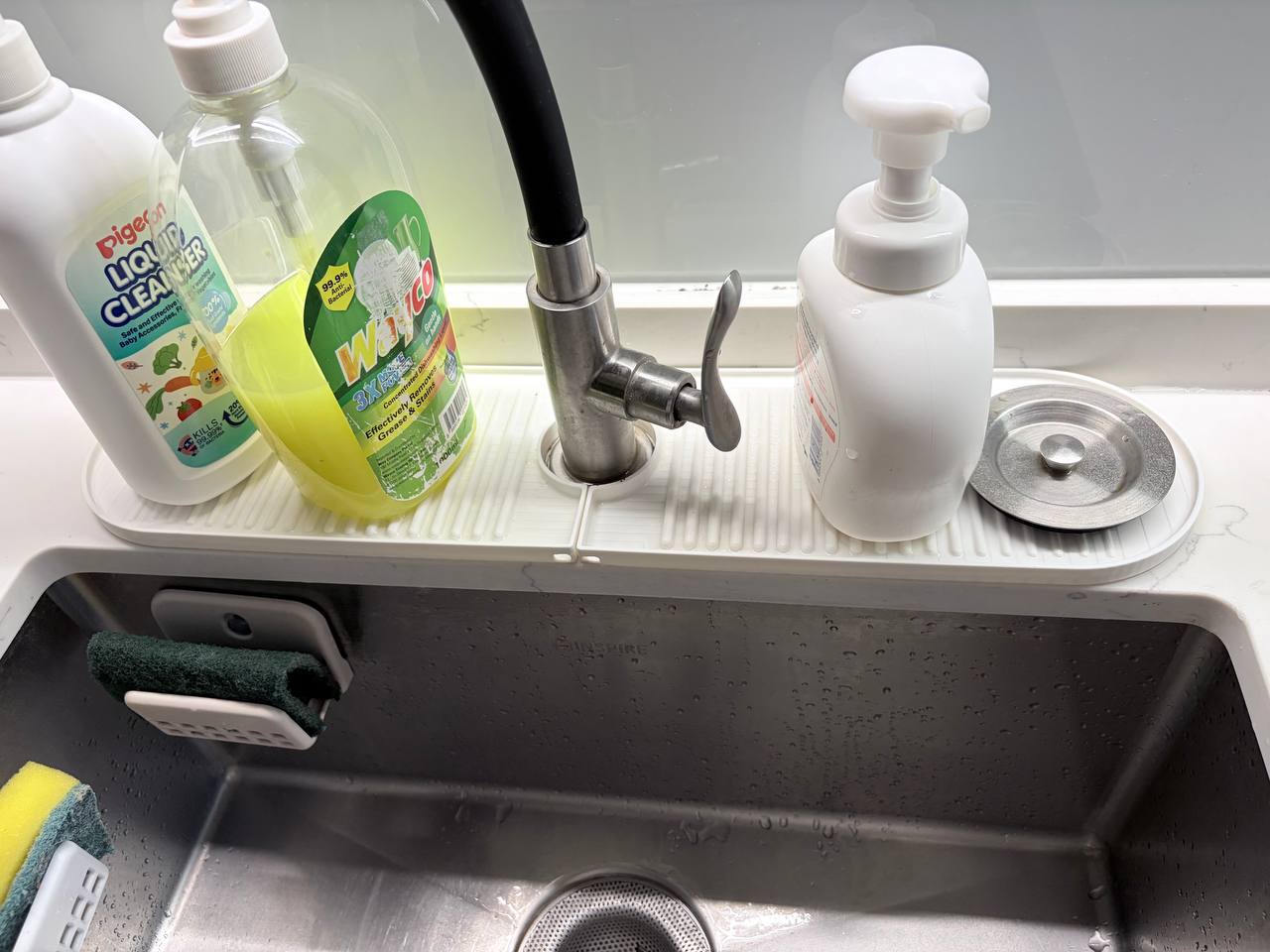
This one taught me about designing for water flow. Angles matter. Drainage matters. Material properties matter—PLA is fine for dry environments, but for wet ones you need to think about how water will behave. I went through a couple of iterations before I got the angles right.
The Dining Table Rail Cover
The most recent one was the dining table. We have this IKEA table with a protruding I-beam underneath, and the edge is sharp. If you’re sitting at the table and you shift your legs, you hit that edge. It’s not dangerous, but it’s annoying—and with a toddler running around, I’d rather not have sharp edges at knee height.
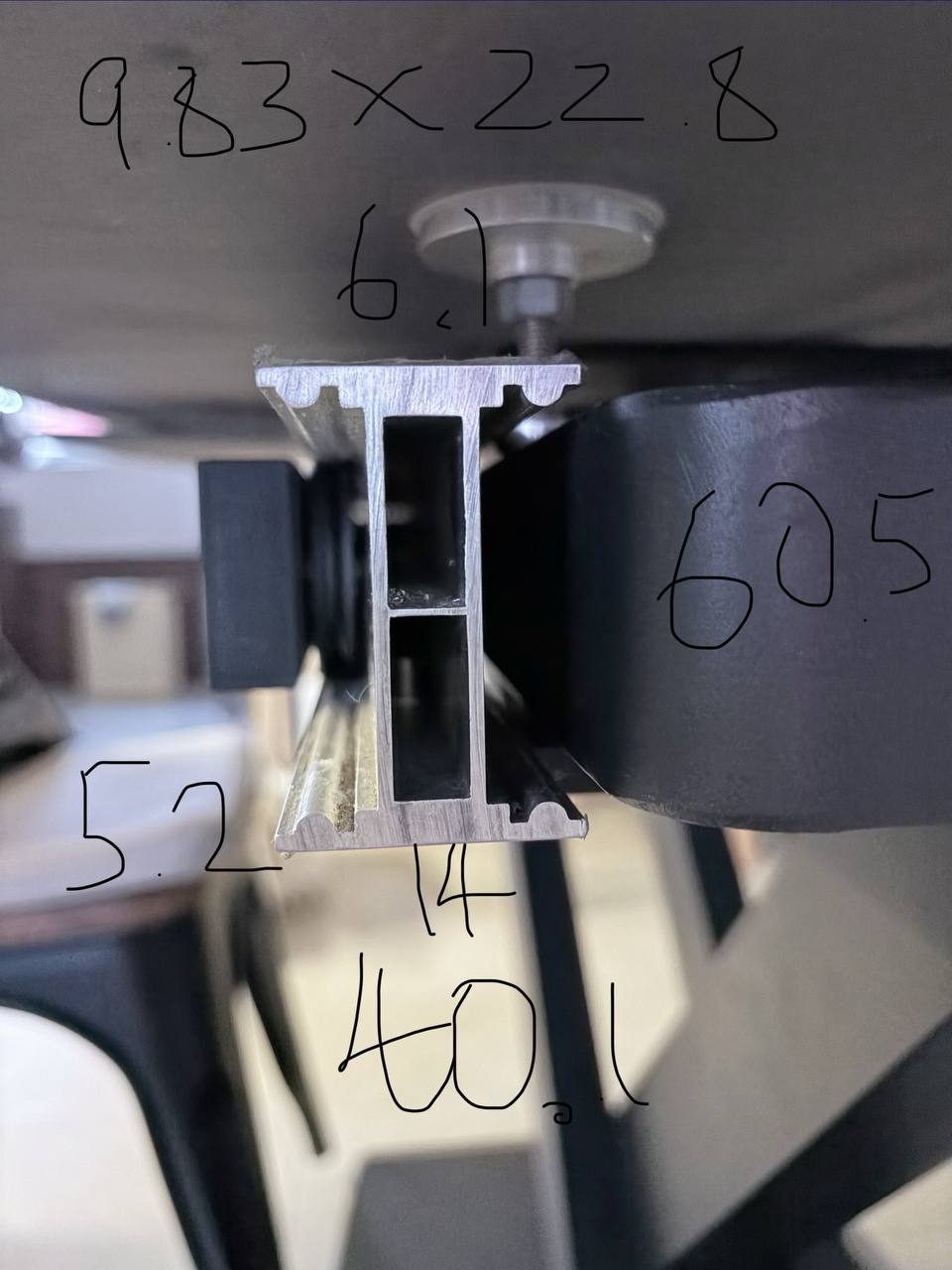
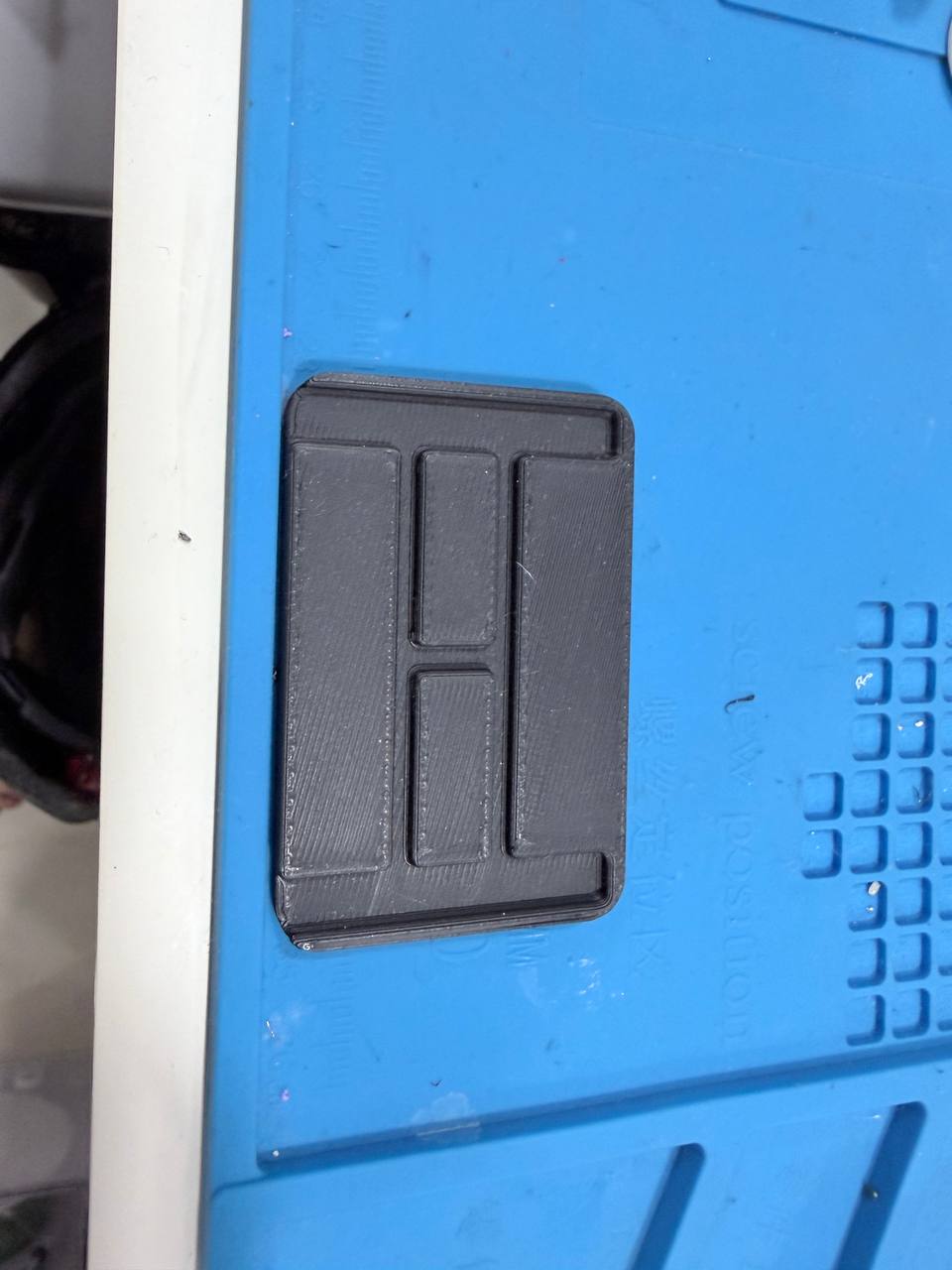
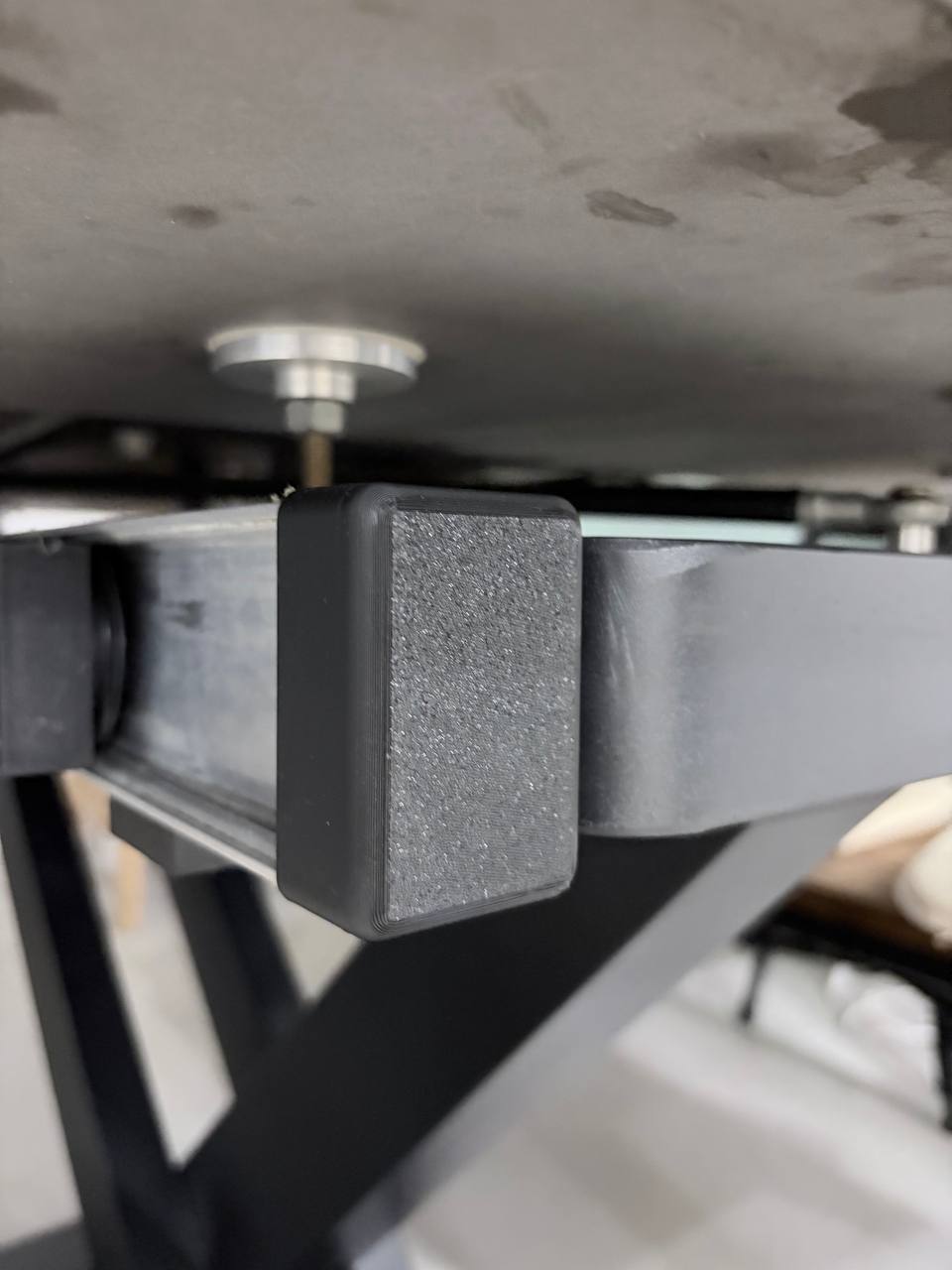
I designed a cover that fits perfectly over the rail, softening the edge. It’s a simple U-shaped channel with rounded corners, and it clips right on. You don’t notice it’s there unless you’re looking for it, which is exactly the point.
Sometimes the best design is the one that disappears.
What I Learned
Going through these projects, a few lessons stood out.
Measure Accurately, or Nothing Works
I cannot stress this enough. A millimeter off and the whole design fails. I learned this the hard way with my keyboard builds—I was off by half a millimeter on a PCB plate, and it took me several tries to get it right. Get a pair of calipers. Measure twice. Print once.
Draft Prints Save Time and Money
Print a rough version first. Test the fit. Test the function. Then print the final version. Cheap iteration isolates problems early, and 3D printing makes iteration almost free. A failed print costs you a few cents and an hour. A failed design costs you a lot more.
The Best Problems Are the Ones Right in Front of You
I didn’t set out to solve any of these problems. They were just there—small annoyances that I lived with until I realized I didn’t have to. 3D printing lowers the cost of fixing things to the point where it’s almost always worth trying.
This is the maker equivalent of systems thinking: seeing the friction points in your environment and designing them away. You don’t need a big project. You just need to look around.